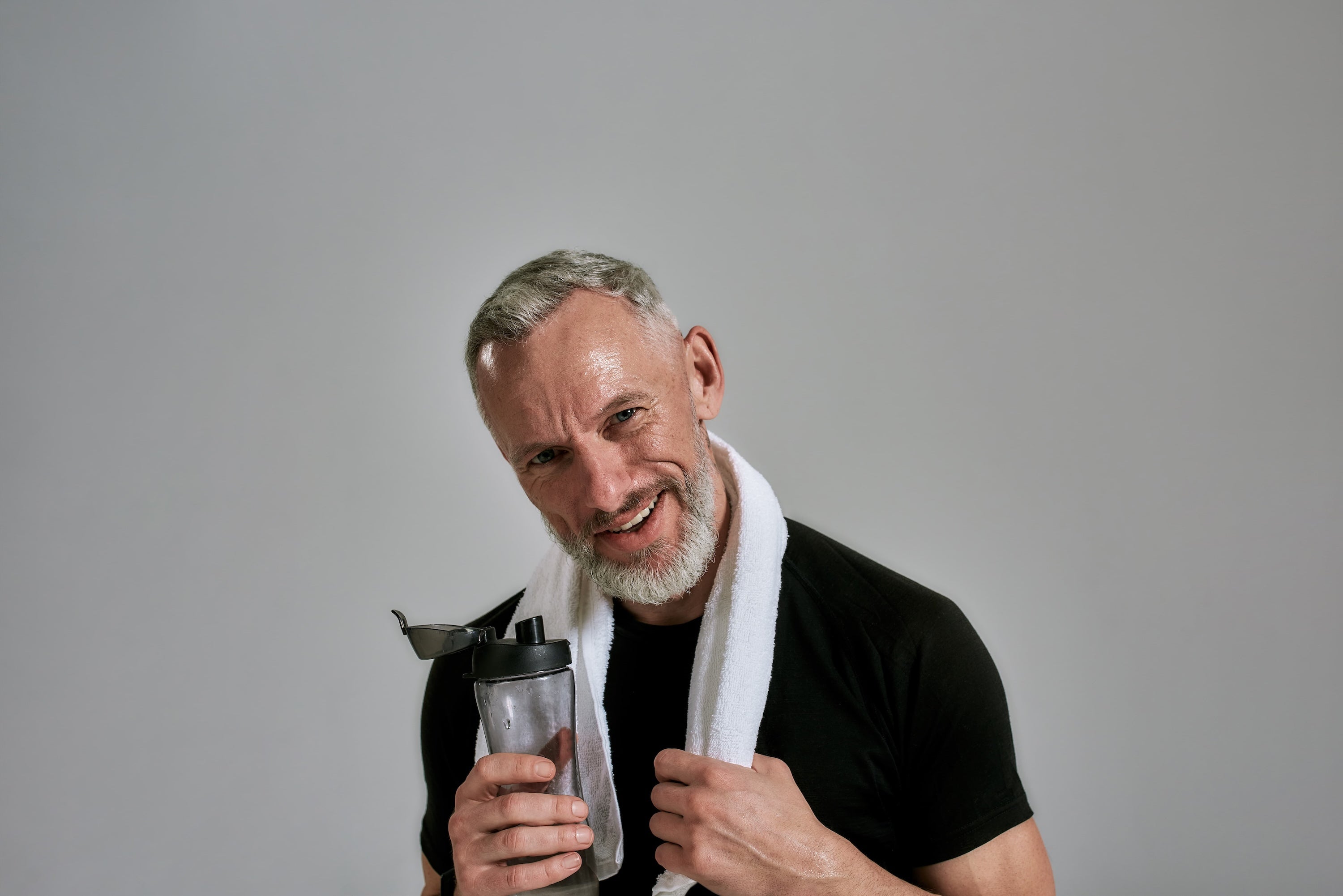
Why Do I Feel Exhausted All the Time at 55?
Many men in their mid-50s describe the same frustrating shift: they wake up tired, feel drained by mid-afternoon, and struggle to maintain the same energy they once had. Even with decent sleep, regular workouts, and a generally healthy lifestyle, persistent fatigue becomes a daily reality. While it’s often dismissed as simply “getting older,” chronic exhaustion at 55 usually has deeper physiological causes.
One of the most common contributors is declining testosterone. Testosterone plays a critical role in energy levels and mental clarity. As levels decrease with age, many men experience persistent fatigue and a noticeable drop in physical performance. What once felt like normal daily activity can suddenly feel taxing.
Sleep quality also tends to decline during this stage of life. Hormonal changes can disrupt sleep cycles, while conditions like sleep apnea become more common in men over 50. Even if you’re spending enough time in bed, poor sleep quality prevents the body from fully recovering, leaving you feeling depleted the next day.
Metabolic health is another major factor. Insulin resistance, low-grade inflammation, and changes in body composition can all impact how efficiently your body produces and uses energy. When metabolic systems are out of balance, the body has to work harder just to maintain normal function, which can manifest as persistent fatigue.
Stress also plays a significant role. Many men in their 50s are managing demanding careers, family responsibilities, and long-term lifestyle pressures. Chronic stress elevates cortisol, a hormone that can interfere with sleep, suppress testosterone, and contribute to constant exhaustion.
The key takeaway is that feeling tired all the time at 55 isn’t something you simply have to accept. Persistent fatigue is often a signal that underlying systems are no longer functioning optimally. With the right diagnostics and a personalized plan, it’s possible to restore energy, improve recovery, and feel strong and capable well into the decades ahead.